fbpx

2025 Strategic Visit: RALEIGH DURHAM

The 2025 Strategic Visit to Raleigh/Durham immersed business and community leaders in the Research Triangle’s proven model of intentional collaboration, innovation-driven growth, and economic development strategies. Throughout the trip participants engaged with regional executives, university partners, and public officials to explore best practices in talent pipelines, transit-oriented development, university-industry partnerships, and downtown revitalization. The experience delivered actionable insights to strengthen Cobb County’s competitiveness, foster cross-sector alliances, and adapt Triangle successes to our community.

Welcome to The Triangle: Setting the Stage

Adrienne Cole, President and CEO of the Raleigh Chamber, opened the visit with a strategic overview of the Triangle’s collaborative ecosystem. She highlighted the region’s diverse industry clusters (IT, life sciences, clean tech), world-class talent from three Tier-1 research universities and Wake Tech, and the transformative role of Research Triangle Park (RTP)—home to 60,000 workers and $6 billion in annual R&D. Cole emphasized regional governance, joint economic development RFPs, and the 15-county Regional Transportation Alliance’s focus on cost-effective Bus Rapid Transit (BRT). Attendees gained perspective on managing rapid growth (Wake County adds 66 residents daily) while addressing housing affordability and infrastructure strain.

One of the key takeaways from this session, emphasized throughout the trip, was the intentional monthly partnership meetings, coordinated by the local Chambers, that bring together top public and private stakeholders across the Greater Triangle region. These meetings foster strong regional relationships before they are needed, enabling effective collaboration when opportunities or challenges arise

Raleigh’s Innovation Economy: The North Hills Story

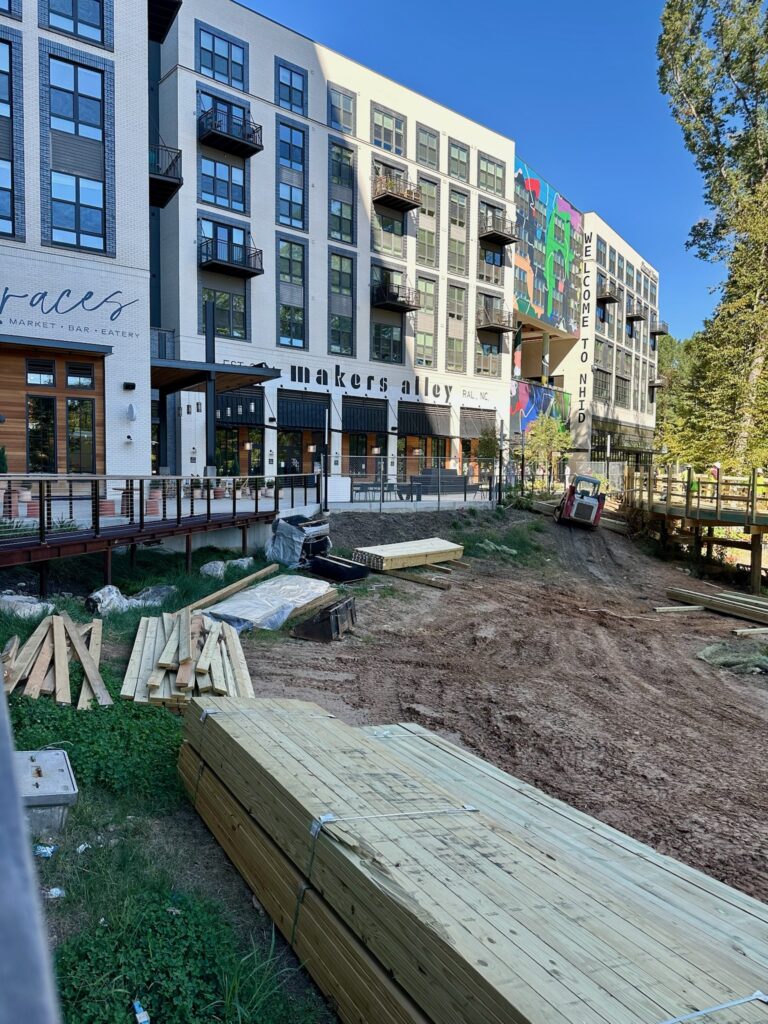
Warner Kuppin and Kallie Walker of Kane Realty, alongside Kyle Touchstone of Raleigh Economic Development, detailed the 25-year evolution of North Hills from a failing mall into a 150-acre mixed-use district with 2 million sq ft of office, 3,000 residential units, and 1.2 million sq ft of retail. A walking tour of the Innovation District showcased walkable urban design, experiential retail, and maker-friendly spaces that drive full office occupancy by attracting talent-seeking companies.

Moving the Triangle Forward

Shelley Curran, Assistant Town Manager of Cary, explained how a 2016 half-cent sales tax funds BRT corridors, multimodal hubs, and transit-oriented redevelopment in a built-out suburb. She stressed early stakeholder alignment, proactive zoning overlays, and business advocacy to overcome public resistance and outdated state funding models, offering transferable lessons for Cobb’s mobility challenges. A key takeaway from this conversation was that effective initiatives require credible and well-respected community champions to drive progress.

Town & Gown: Where Campus Meets Community

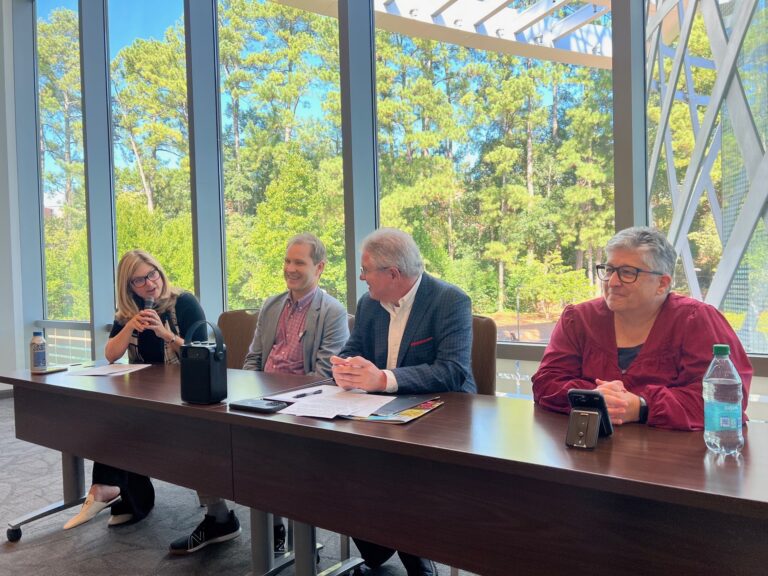
This session featured a panel with Justine Hollingshead (Assistant Vice Chancellor, NC State University Division of Academic and Student Affairs NC State), Jeff Murison (President & CEO, Hillsborough Street Community Service Corporation), and David Meeker (Partner, Trophy Brewing, Elm Partners, Carpenter Development). They shared how intentional public-private partnerships and strategic investments have transformed Hillsborough Street—a three-mile district bordering NC State—from a hazardous, car-dominated corridor into the university’s vibrant “front door.” Signature events like Packapalooza, which draws more than 500,000 attendees, have strengthened community trust, eased town-gown tensions, and driven significant economic impact.

NC State Partnerships Driving Value Exchange & Plant Sciences Building Tour

Dr. Mark Schmidt, Associate Vice Chancellor for Partnerships at NC State University shared best practices for fostering university-industry collaborations, drawing lessons applicable to Georgia’s business and academic communities. NC State’s partnerships span industry, government, and nonprofits, with notable examples like Eastman, which achieved a $220 million commercial return on a $20 million investment over 10 years, driven by student engagement and research. NC State’s dedicated partnerships office focuses solely on strategic partnerships, not advancement or fundraising, enabling a concierge-like service to meet partner needs. Dr. Schmidt also teed up a visit to NC State’s 1,000-acre Centennial Campus, where 70+ corporate partners co-locate with faculty and students. A tour of the Plant Sciences Building demonstrated how universities can drive economic impact by creating interdisciplinary, industry-focused research hubs that address pressing global and regional challenges.

Research Triangle Park: A Hub of Innovation

This discussion, featuring Tyson Strutzenberg of Trinity Capital, Sarah Gaskill of Fujifilm Biotechnologies, Pearl Sullivan of NC Biotech, and Michael Haley of Wake County Economic Development, highlighted the development of the Spark campus in Morrisville and the collaborative life sciences ecosystem in North Carolina’s Research Triangle Park and beyond. Spark is a tangible example of purpose-built, flexible spaces designed to attract life sciences and advanced manufacturing companies, with lab-ready suites, adaptable layouts, and shared amenities that enhance tenant appeal. Speakers shared that the Triangle’s life sciences ecosystem thrives on decades of strategic collaboration among universities, community colleges, industry, and economic development organizations, supported by sustained public and private investment, incentive programs, and long-term planning. Workforce development is central, with initiatives like apprenticeships, veteran programs, and partnerships with HBCUs ensuring a diverse, skilled talent pipeline.

Welcome to “The Bull City”

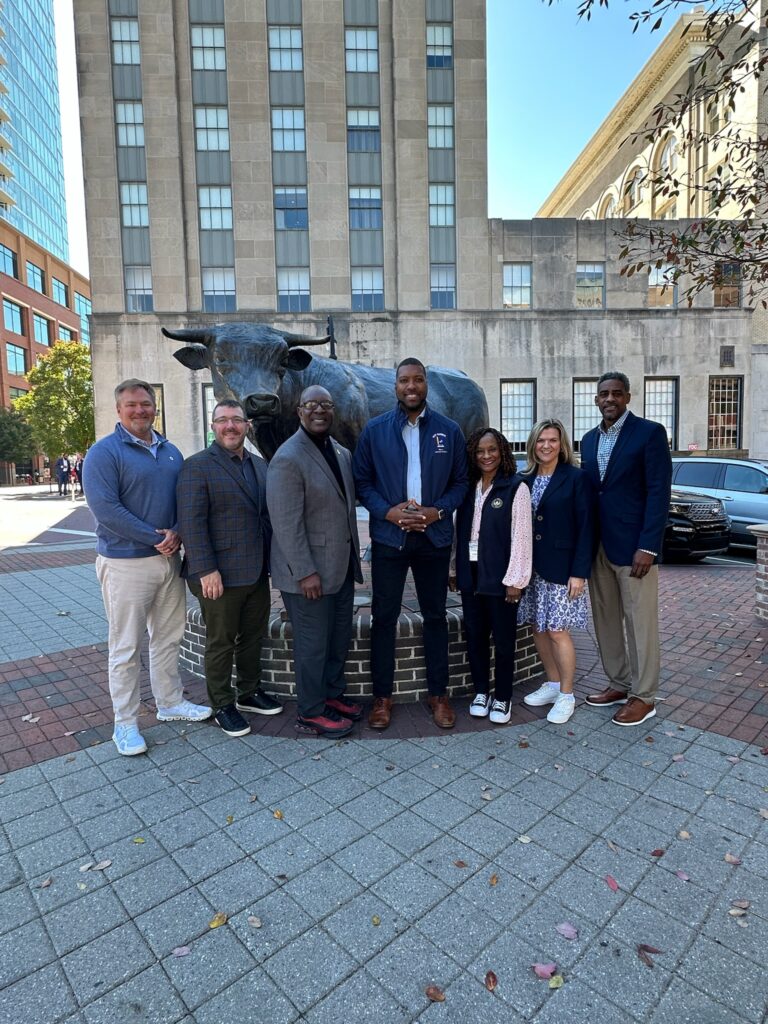
Durham Mayor Leonardo Williams, a former educator, entrepreneur, and first-term mayor, shared his vision for a city built on innovation, economic vitality, and social progress. He views himself as a facilitator, rather than a politician with a fixed agenda, and works to bring diverse voices together to solve problems and move policies forward. He also emphasized the importance of local small businesses to downtown Durham’s economy.
Mayor Williams highlighted Durham’s HEART program (Holistic, Empathetic, and Response Assistance Teams), which embeds social workers and clinicians in the 911 center. The nationally recognized model resolves 90% of calls without police involvement, reducing officer burnout and improving community outcomes. Mayor Williams also addressed homelessness, calling for stronger partnerships among service providers, continuum of care improvements, and dedicated local funding to expand affordable housing and support homelessness initiatives.

Durham Economic Overview

Geoff Durham, President and CEO of the Greater Durham Chamber of Commerce, provided an economic overview of the city of Durham emphasizing the Chamber’s role in fostering connectivity, growth, and leadership. His insights highlight Durham’s collaborative approach to economic development, workforce strategies, and community engagement. Durham’s proximity to Duke, UNC, NC State, and community colleges like Durham Tech ensures a robust talent pipeline, a key factor in attracting companies like Google, Eli Lilly, and Fujifilm. He also emphasized Durham’s status as the “Start-Up Capital of the South,” highlighting the city’s robust support systems and resources for local entrepreneurs and small businesses.

Destination Durham: Sports, Entertainment & Innovation

The panel featured Eli Bell of Capitol Broadcasting, Josh Anderson of the Durham Performing Arts Center, Mike Birling of CBC & Durham Bulls, and Cara Rousseau of Discover Durham. They discussed Durham’s unique position as a destination driven by sports, entertainment, and historic redevelopment, highlighting how assets like the Durham Bulls ballpark, DPAC, and the American Tobacco Campus have transformed the city and draw thousands of visitors each year. Panelists emphasized the role of festivals, cultural programming, and strategic campaigns such as “Do It in Durham” and “Love Durham” in attracting visitors, as well as the importance of long-term investment, public-private partnerships, and ongoing development to maintain and enhance Durham’s vibrant tourism ecosystem.

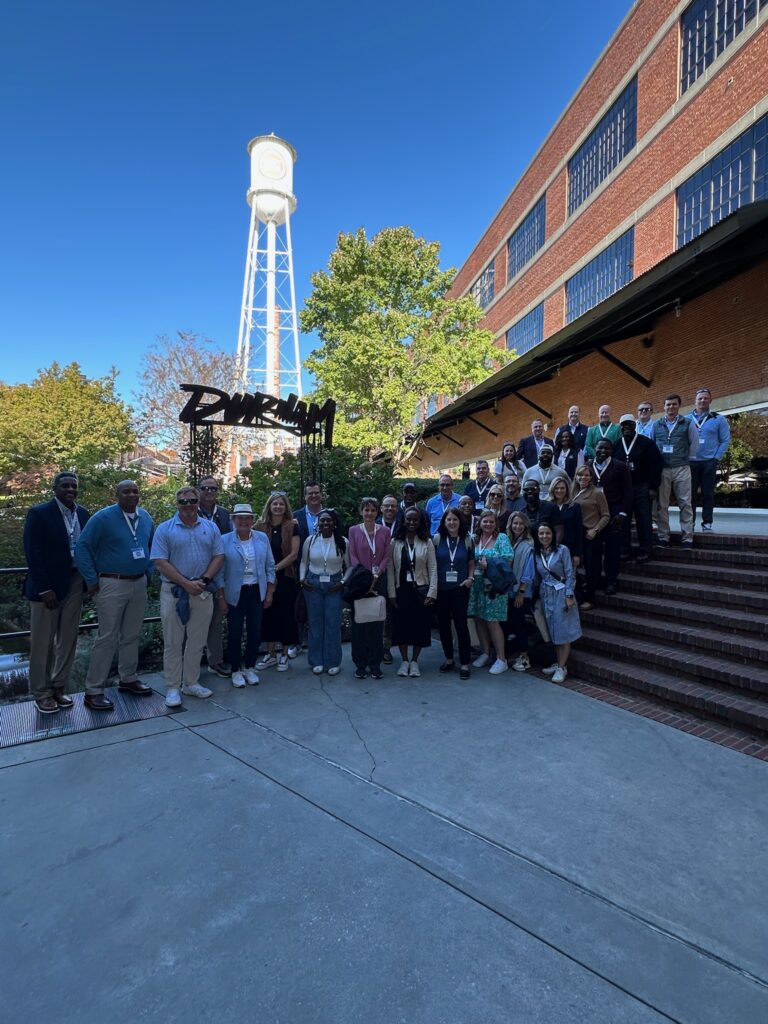
Following the panel, attendees also explored the 1.2-million-sq-ft American Tobacco Campus, a public-private redevelopment of a shuttered 1900s factory into a mixed-use magnet for 90+ companies. Preserved historic architecture, a quarter-mile man-made river, and diverse programming create constant activation and transferable lessons in adaptive reuse.

The Startup Capital of the South: American Underground Tour

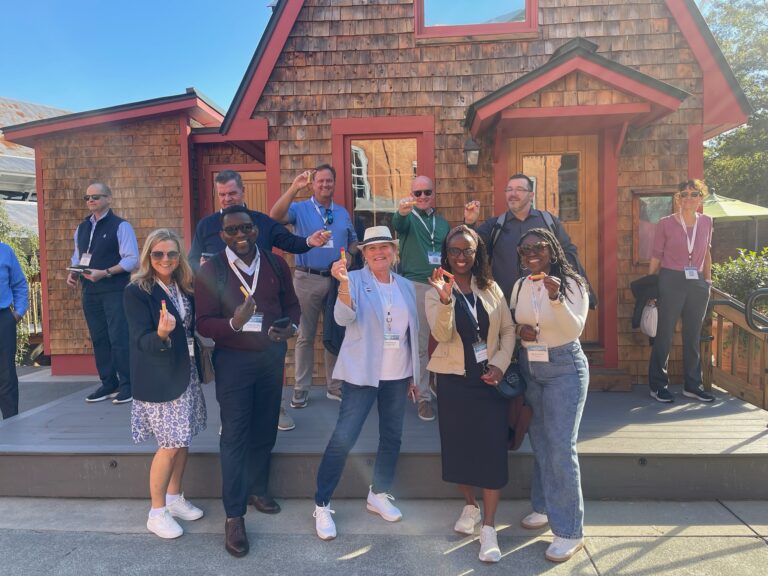
The visit concluded at American Underground, Durham’s flagship co-working community housed in a quirky historic building and expanding into ATC. Affordable, flexible spaces ($149–$399/month) and partnerships with Google, Fidelity, and local mentors empower entrepreneurs, reinforcing Durham’s identity as the South’s startup hub and offering Cobb a blueprint for low-barrier innovation ecosystems.

Presenting Sponsor

DINNER Sponsors

PROGRAM Sponsors

TRANSPORTATION Sponsor

Lanyard Sponsor